E‑Government: Making Public Services Smarter and Faster

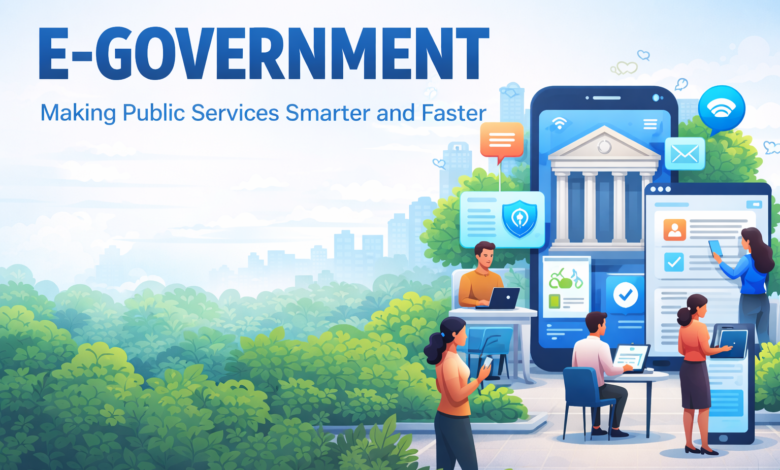
Governments around the world are using digital technologies to reinvent how public services are delivered. This shift commonly known as e‑government isn’t just about putting forms online. It’s about redesigning public services so they’re accessible, efficient, and responsive to citizens’ needs.
What is e‑Government?
E‑government refers to the use of digital platforms, tools, and systems to deliver government services and information to citizens, businesses, and other stakeholders. It includes online portals for applications and payments, digital identity systems, mobile apps, open data platforms, and automated workflows that replace manual processes.



At its core, e‑government aims to remove barriers created by paper‑based and in‑person procedures — long queues, repeated visits to offices, physical documents and replace them with seamless online interactions.
Why Smarter Public Services Matter
Citizen expectations have changed. People want government services that mirror the convenience of modern digital experiences fast, accessible, and user‑centric. E‑government meets these expectations in several ways:
1. Faster Service Delivery
Online delivery cuts the turnaround time for processes like license renewals, tax filings, and permit applications. Instead of waiting weeks, citizens can often complete these tasks in minutes from any device with an internet connection.
2. Increased Efficiency and Productivity
Automated systems remove repetitive paperwork and human bottlenecks. Government staff spend less time on manual data entry and more on tasks that require judgment and oversight, boosting overall public sector productivity.
3. 24/7 Accessibility
Digital platforms aren’t bound by office hours. Citizens can access public services at night, on weekends, or from remote areas without traveling to physical offices.
4. Transparency and Trust
E‑government creates digital trails and real‑time tracking. Citizens can monitor the status of their applications or view public spending data online, which promotes accountability and reduces opportunities for corruption.
5. Cost Savings
When processes are digital, governments spend less on physical infrastructure and document storage, and citizens save on travel and waiting time. Those savings can be redirected into essential services.
Real‑World Examples of Digital Public Services
Different countries have implemented e‑government with measurable impacts:
- e‑Albania offers more than 400 services on one portal, allowing citizens to access applications, payments, and official documents online.
- Sanad (Jordan) uses a unified app for digital identity and access to more than 550 services from government and private providers.
- Nagarik App (Nepal) consolidates government services into a single digital platform to reduce the need for multiple in‑person visits.
Such platforms shorten service timelines, eliminate repetitive documentation, and create a one‑stop experience for users.
E‑Government and Citizen Engagement
E‑government isn’t just transactional. It opens new channels for communication between citizens and government:
- Two‑way communication through feedback forms, online consultations, and surveys enhances public participation.
- Open data portals let citizens, researchers, and watchdog groups access government information, promoting civic engagement.
These channels help governments understand citizen priorities and tailor services accordingly.
Challenges and the Path Ahead
Digitizing public services isn’t without obstacles:
- Infrastructure gaps and low internet penetration can limit access.
- Cybersecurity and data privacy remain ongoing concerns.
- Digital literacy varies across populations.
But the trend is clear: well‑implemented e‑government systems lead to smarter, faster, and more inclusive public services — and are becoming a standard expectation rather than a luxury.
Conclusion
E‑government transforms how citizens interact with the state. By digitizing processes, improving transparency, and expanding access, it makes public services faster and more reliable. This isn’t just a technical upgrade it’s a shift toward a more effective, accountable, and citizen‑centred public sector.